Mātai Medical Research Institute senior research associate Dr Tim Salmond has been awarded a 2026 Health Research Council (HRC) Clinical Research Training Fellowship.
Research Details
- DECODE: Diabetes & Heart Health Research
- Gisborne, NZ
- Dr Tim Salmond
- t.salmond@matai.org.nz
Improving outcomes for people living with type 2 diabetes in Tairāwhiti
The study combines diabetes self-management education with advanced physiological assessment to better understand what is happening “under the hood” in each participant. By integrating real-time continuous glucose monitoring (CGM), magnetic resonance imaging (MRI), and exercise-based metabolic testing, DECODE aims to build a more precise picture of cardiometabolic health and identify practical ways to support earlier, more personalised care.
A central part of the project is deep phenotyping of glucose regulation, body composition, and metabolic function.
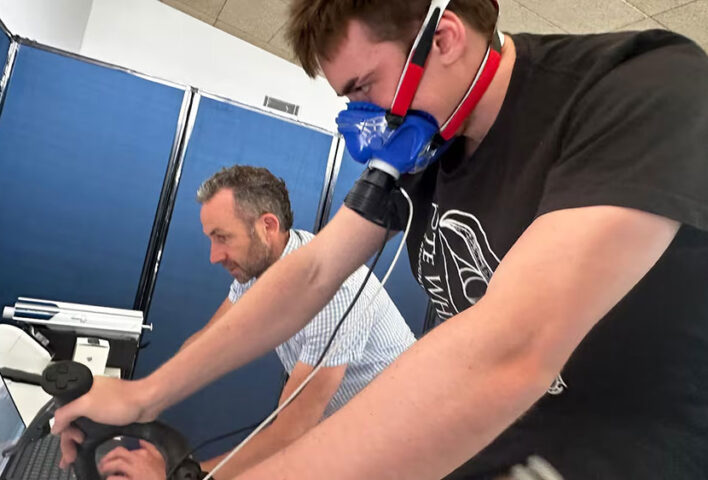
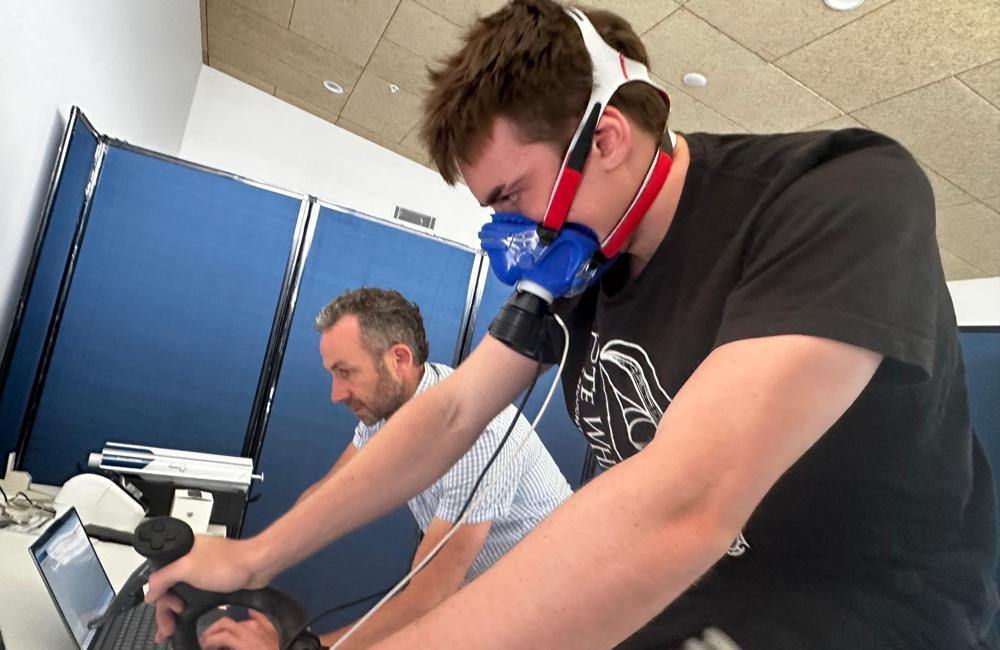
A subgroup of participants from the main trial will undergo MRI to measure ectopic fat depots such as liver, pancreas, visceral, and muscle fat, alongside cardiopulmonary exercise testing to assess fitness, substrate use, and physiological response to exertion. These measures are paired with CGM data to show how day-to-day glucose patterns relate to organ fat, metabolic flexibility, and exercise capacity. This approach is designed to move beyond conventional diabetes monitoring and generate a more complete understanding of individual risk and response.
The long-term goal of DECODE is to support more equitable and effective diabetes care in Gisborne and across Aotearoa.
By combining clinically meaningful education with advanced imaging and metabolic testing, the project seeks to identify which interventions work best, for whom, and why.
Mātai’s broader research programme already emphasises the use of MRI and translational pathways to improve diagnosis, personalise care, and address health inequities; DECODE extends that model into cardiometabolic disease with a strong local and clinical focus. Further studies are planned to use quantitative assessment of health-related lifestyle behaviour change, clinical assessment and deep phenotyping in other community-based interventions.
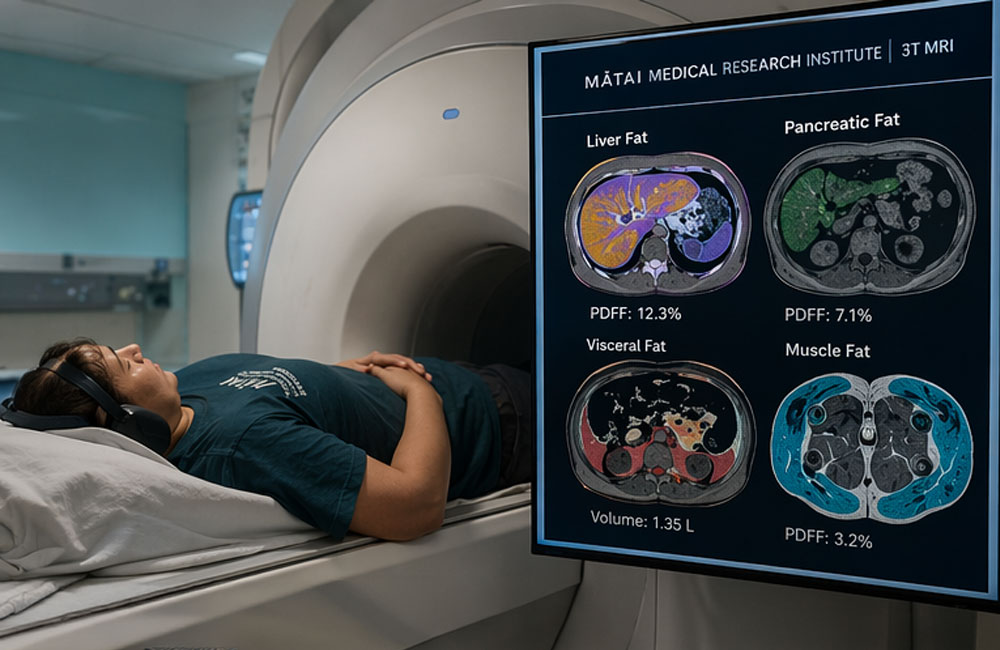
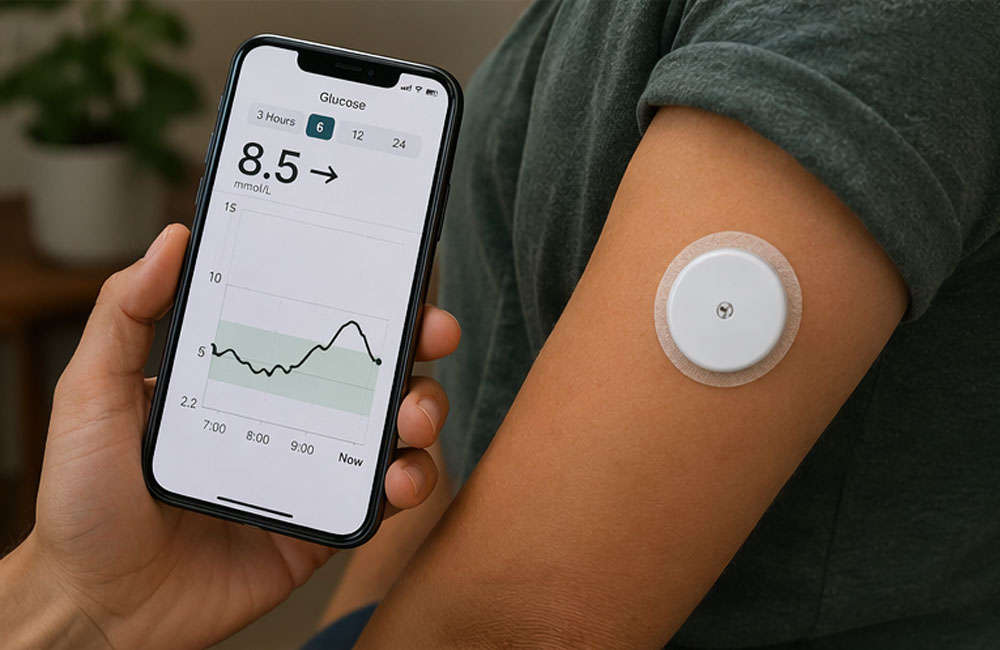
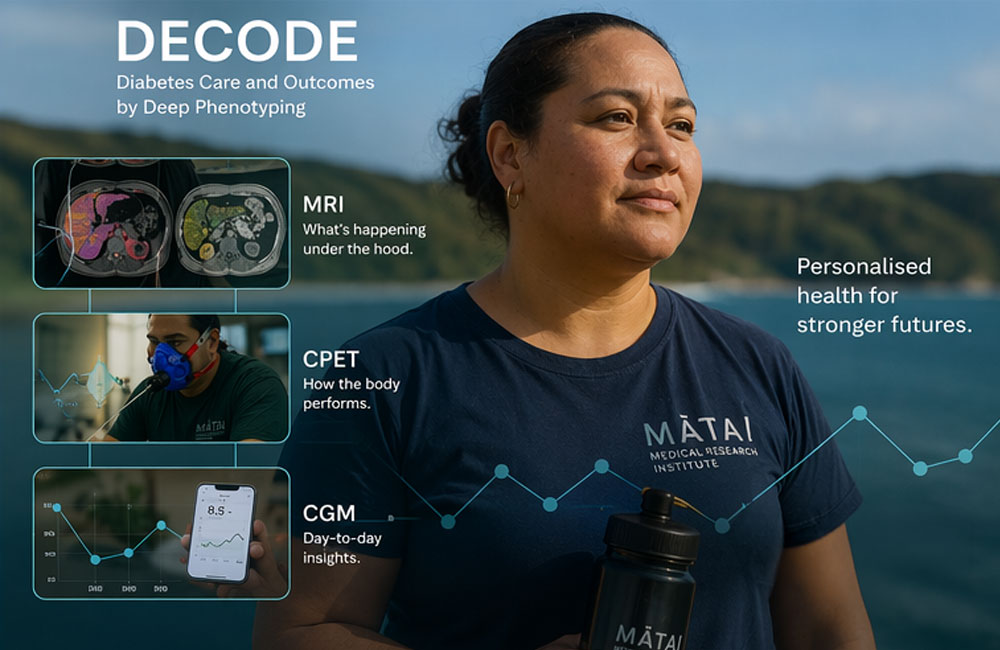
The research explores how wearable monitors, exercise, education and physiology testing and advanced imaging can improve understanding, management and prevention of type 2 diabetes and other preventable conditions.

A Tairāwhiti-based GP and researcher is challenging the way prediabetes and early type-2 diabetes are managed.