Research Details
- Solving the concussion puzzle
- Gisborne, NZ
-
Dr Josh McGeown
Dr Eryn Kwon -
j.mcgeown@matai.org.nz
e.kwon@matai.org.nz
Vision & objective
The aim of his research is to fill gaps in what we know about how to manage concussion and empower clinicians to make a real difference in outcomes for those struggling with ‘invisible’ but debilitating symptoms.
If we can see the damage inside the brain, we can understand the efficacy of different rehabilitation approaches to inform precision medicine in the future. For example, if we could eventually visualise the damage in much the same way we can see a broken bone on an x-ray, we may be better equipped to predict different recovery outcomes and prescribe early interventions accordingly.
There are many benefits to participating in sport, and some of the narratives about the long-term effects of playing sports like rugby extend beyond the available scientific evidence. This project will provide evidence to address this issue, and we hope to identify new ways of understanding how to mitigate the issues mTBI causes in sport.
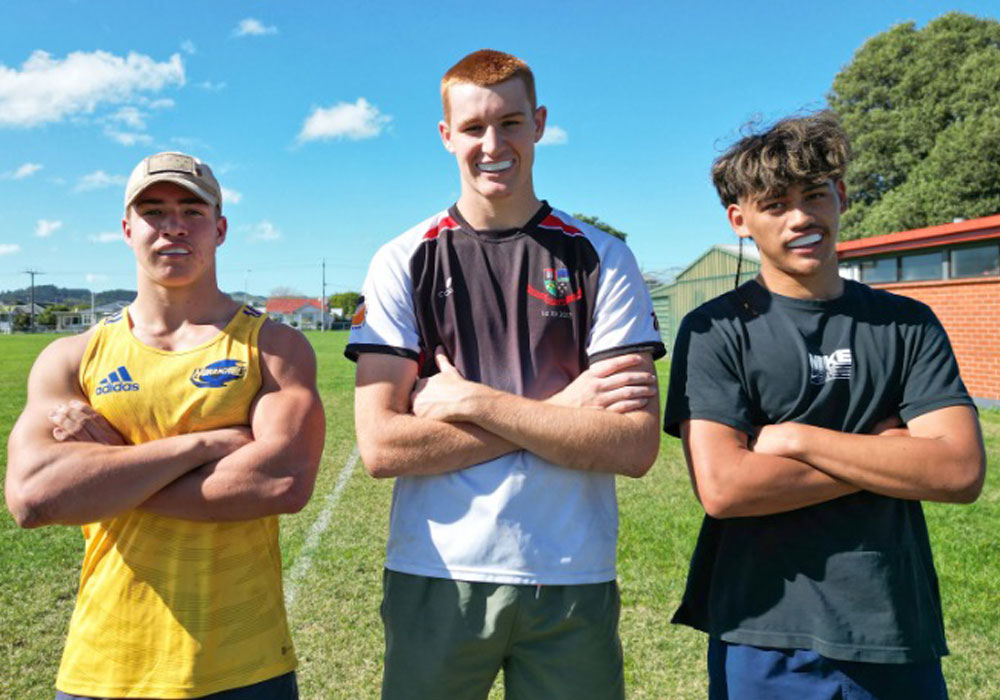
Mātai Medical Research Institute’s first major mild traumatic brain injury (mTBI/concussion) study started in 2021 with support from the Gisborne Boys’ High School First XV and Second XV rugby teams, to help us monitor and understand any changes in the brain from injury.
Head impacts are not uncommon in collision sports. Fast and improved head injury detection can better help with appropriate actions, such as removing a player from the game for a certain time period to help reduce the risk of negative long-term outcomes. The data will also aid objective surveillance, assessment and rehabilitation of injuries occurring on the sports field.
Using brain imaging and by pushing the limits of technology, the team aim to gain new knowledge necessary to implement practical solutions to concussion and help identify interventions and preventative measures.
Volunteers: We are taking participants who have had a possible concussion or knock to the head within the past 7 days – pending scanner availability. Participation is for research purposes only, not for clinical diagnosis.
Early recognition & diagnosis
Earlier recognition and diagnosis of treatable clinical syndromes following TBI, using correlations between advanced MRI and symptom/neuropsychiatric assessments
This study plans to identify individuals who have sustained a TBI acutely, i.e. as soon after the injury as possible and carry out a clinical and MRI assessment at this time. They will then be followed up at 1 month with more detailed assessments and further high-level MRI, and again at 6 months. Normal treatment processes will continue as required.
In taking a more detailed and hopefully accurate history of the consequences of injury – the symptoms and the effects these have had – and linking these to MRI findings, we hope to discover a number of things in relation to treatment which may also impact on broader outcomes.
- Earlier recognition and diagnosis of treatable clinical syndromes following TBI.
- Reduced secondary pathology arising from prolonged stressor effects longer than necessary, via lesser epigenetic consequences.
- Reduced consequences for others in the person’s environment.
- Reduced secondary health costs due to better-defined interventions.
- Reduced costs to other agencies, including social services, police and the Corrections Department.
TBI, Rugby & Attention
TBI Radiomics Research