Research Details

  • Optic Nerve & Orbit Studies
  • Gisborne, NZ
  • research@matai.org.nz

Objective

The primary objective of our optic nerve and orbits studies is to identify which structures exhibit greater or lesser deformability in response to pressure differences, and to explore how this differs in the presence of certain diseases. By gaining a deeper understanding of these mechanisms, we aim to improve our knowledge of ocular conditions and contribute to the development of more effective treatments. 

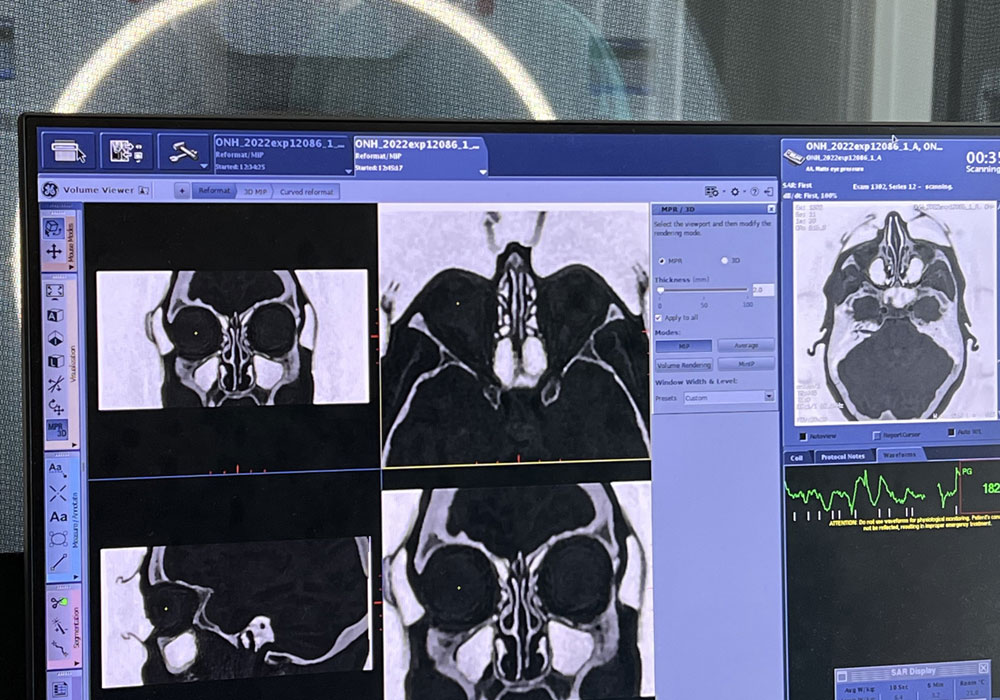
Our studies mark the first-ever amplified MRI investigation of the orbit. By examining the subtle movements within the orbit that occur with each heartbeat, we can uncover invaluable insights into the dynamics of this complex region. 
PROJECT ONE

Goggles Intervention Project

Team lead: Dr Jesse Gale

Funded by Vision Research Foundation and Rapanui Trust

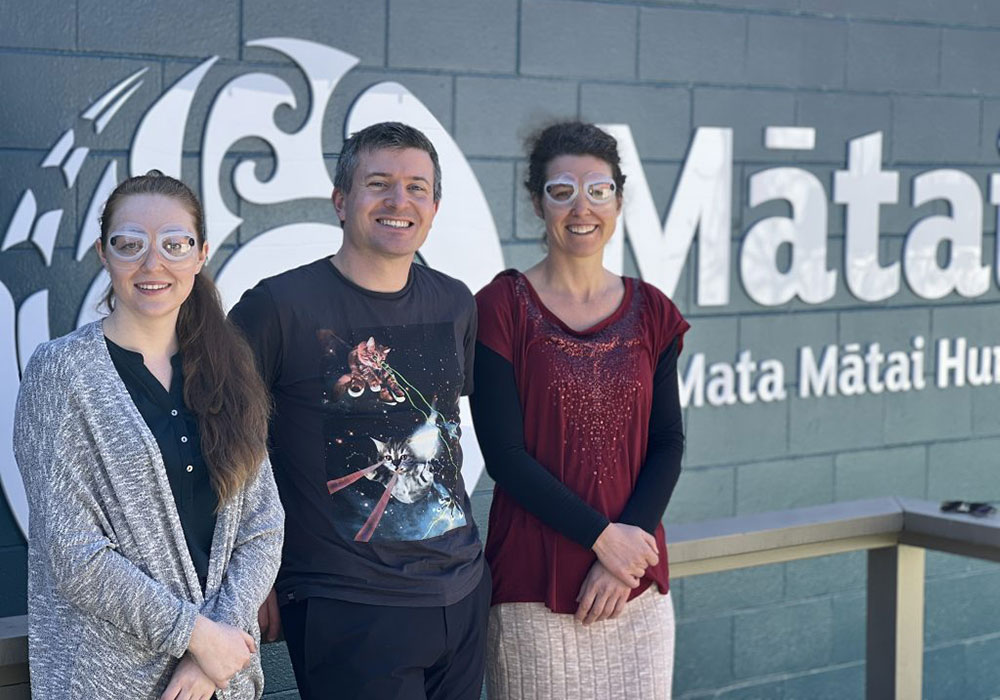
In this unique study, we employ customised goggles that have the ability to apply both positive and negative pressures. This innovative approach sets our research apart and allows us to investigate the response of various structures to different pressure conditions.

We are excited about the potential of this research to shed light on the compliance and deformability of ocular structures and their implications for various diseases. As our project progresses, we will continue to update this webpage with significant findings and advancements. Join us on this groundbreaking journey as we strive to unravel the mysteries of the eye and pave the way for improved diagnostics and treatments in ophthalmology.

PROJECT TWO

Balancing act: understanding roles of interocular and intracranial pressures in the eye

Team lead: Professor Helen Danesh-Meyer

Funded by Vision Research Foundation

There is a need for better biomarkers for predicting disease progression in diseases such as glaucoma, idiopathic intracranial hypertension and papilledema. For example, glaucoma is a serious ocular condition characterised by progressive damage to the optic nerve, often resulting in vision loss and even blindness. Early detection and timely intervention are crucial for preventing irreversible damage. One of the challenges in managing glaucoma effectively is the lack of reliable biomarkers that can accurately predict disease progression. Glaucoma poses a significant public health concern, affecting millions of individuals worldwide.


Developing better biomarkers for glaucoma is imperative for enhancing our ability to diagnose the disease early, monitor its progression, and tailor treatments to individual patients.

We investigate the role of structure and dynamics in the eye across an interesting membrane called laminar cribosa using advanced imaging. Our research aims to contribute to the advancement of glaucoma management by identifying novel biomarkers that could revolutionise the way we approach these diseases. Our goal is to improve the lives of those at risk and pave the way for more targeted and effective therapies.


PROJECT THREE

Glaucoma and related eye disease

Team lead: Dr William Schierding

This project treats glaucoma not only as an eye disease, but as a neurodegenerative disorder affecting the entire visual pathway. We are examining the relationship between retinal cell loss and degeneration in downstream brain structures, the research explores how changes in the eye reflect broader changes across the visual system.

Vision loss has a profound impact on quality of life, independence, and mental well-being. Glaucoma, a progressive neurodegenerative eye disease, is a leading cause of irreversible blindness worldwide, affecting more than 70 million people. The disease develops silently over many years, with most patients experiencing no symptoms until significant optic nerve damage has already occurred.

Although elevated intraocular pressure (IOP) is the only modifiable risk factor currently used in clinical care, many people develop glaucoma despite having normal IOP. This highlights the limitations of current diagnostic strategies and underscores the role of additional genetic, environmental, and lifestyle factors.

Because damage from glaucoma cannot be reversed, preserving vision depends on detecting risk before clinical symptoms appear. The goal of this research is to identify individuals who are vulnerable at the earliest possible stage, enabling timely monitoring, earlier referral, and targeted prevention strategies. Improving early risk stratification also has the potential to reduce pressure on specialist eye services by supporting more effective triage in primary care.

This research programme uses data from the UK Biobank.

Supported by

For more information contact:

research@matai.org.nz