
Weekly seminar: What MRI Can Tell Us About the Brain and Heart in Methamphetamine Use Disorder
Speaker
Dr Maryam Tayebi
Topic
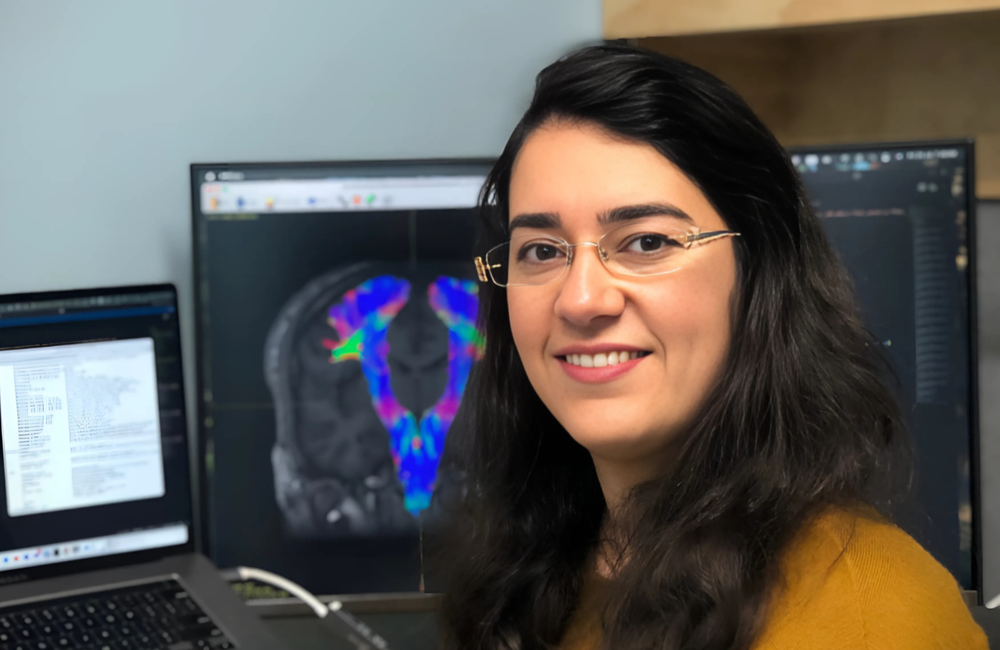
Methamphetamine use can affect both the brain and the heart, but many of these changes may not be obvious from routine clinical assessments. In our study, we are using advanced MRI to look more closely at the brain and heart of people with methamphetamine use disorder. By combining several different MRI techniques, we aim to build a more complete picture of how methamphetamine use is associated with changes in the brain and heart. In this presentation, we will share what we have learned so far from our MRI data. We will also introduce the current phase of our work, which involves collecting follow-up scans to investigate how these measures may change over time in people participating in a treatment pathway and recovery programme.
About Speaker
Dr Maryam Tayebi is a Senior Research Fellow at Mātai Medical Research Institute. Her research focuses on using advanced MRI to detect and understand abnormalities within the body, particularly the brain, across a range of conditions. She is co-leading a methamphetamine recovery project at Mātai and works as part of a multidisciplinary team bringing together advanced imaging, neuropsychiatric care, cognitive assessment, community engagement and culturally grounded approaches. Her work aims to improve understanding of the biological effects of methamphetamine use on the brain and heart and contribute to better approaches for supporting treatment and recovery.