
Weekly seminar: Tū Wairua – Tū Hinengaro: Reducing mild TBI symptoms through Psilocybin-assisted care & Integrating a 1.5T MRI machine with Resonint’s spectrometer system
Speakers
Daisy Hales & Dr Pat McHugh
Topics
Integrating a 1.5T MRI machine with Resonint’s spectrometer system
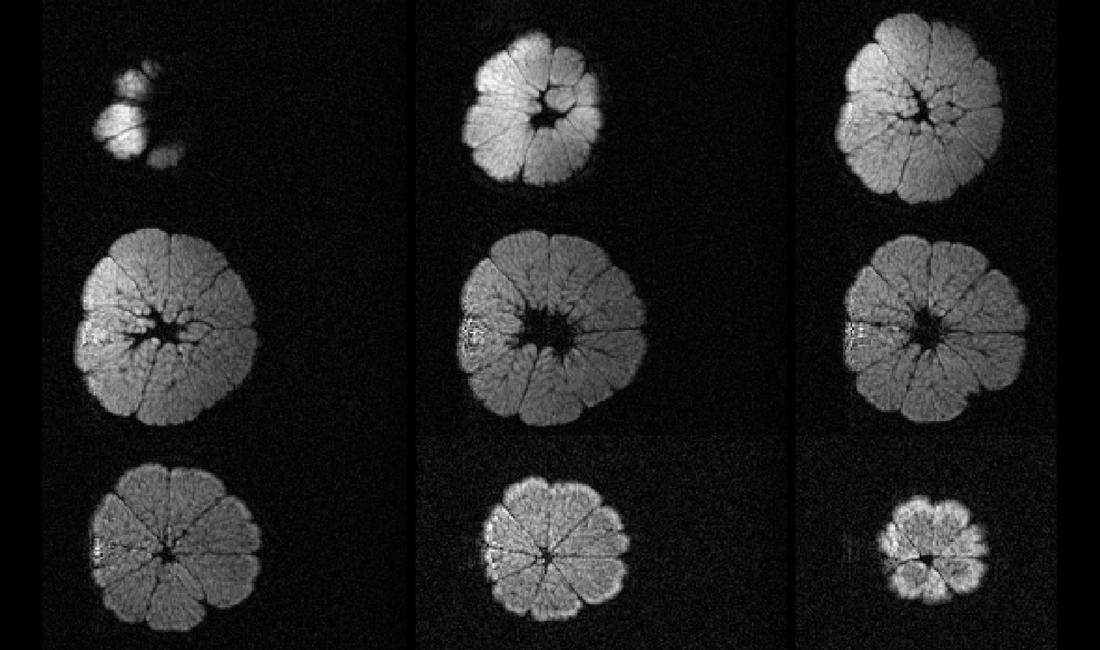
Clinical MRI scanners are typically developed as closed systems, limiting the ability of researchers to modify the hardware and software to trial new pulse sequences and scanning methods. Wellington-based company Resonint is combining their spectrometer with a high-temperature superconducting 1.5T MRI scanner, built at Te Herenga Waka – Victoria University of Wellington. This integration aims to provide a flexible and programmable platform for researchers to develop and test new experiments and pulse sequences on, alongside showcasing the capabilities of Resonint’s spectrometer for potential clients.
Tū Wairua – Tū Hinengaro: Reducing mild TBI symptoms through Psilocybin-assisted care
Psilocybin-assisted care (PAC) is an emerging therapeutic option, with preclinical and clinical evidence suggesting benefits in neuroplasticity, emotional processing, and symptom reduction. This study will recruit adults with persistent mild traumatic brain injury symptoms. Participants will engage in a structured therapeutic pathway grounded in a marae-based framework (Tū Wairua), including preparation, a single PAC session, and supported integration. Quantitative outcomes will assess post-concussive symptoms, mood, anxiety, sleep, and quality of life, alongside monitoring of safety and adverse events. Qualitative methods will explore lived experience, cultural safety, and perceptions of healing within a marae-based context. Collaboration with Mātai Medical Research Institute will enable biomedical insights, including emerging ultra-high contrast MRI approaches that may detect subtle brain changes not seen with standard imaging. Short-term, the study will provide evidence on whether PAC can be safely delivered within kaupapa Māori rehabilitation settings. Medium-term, findings will inform larger trials and potential ACC integration.
About Speakers
Daisy Hales is a research assistant in the MRI team at the Paihau – Robinson Research Institute, from the UK. After completing a Master’s degree in Physics at the University of Leeds, she is gaining further experience in medical physics before deciding the next steps in her career.
Patrick McHugh completed his medical degree at the University of Otago, New Zealand in 1986 and then returned to Gisborne where he has largely worked since. Patrick currently works as a primary care practitioner with Turanga Health and Mātai Medical Research Institute, along with part time work in the Hospital Emergency Department and the Opiate Treatment Service. He has also completed courses and training in Bowen Therapy, Neuro-Linguistic Programming, Reiki Tummo and various forms of meditative practice. He is the proud father of three children, has interest in cricket, rugby, sport in general and struggles to find a balanced lifestyle.