
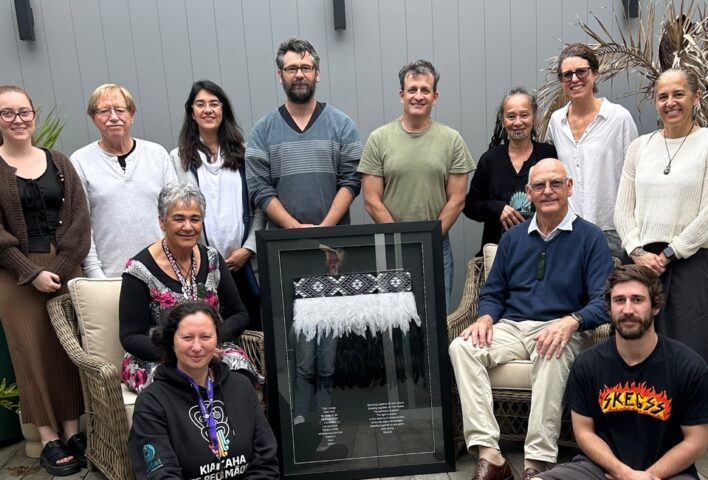
A Māori-led methamphetamine recovery programme in Gisborne is being hailed as a global leader in addiction research and recovery.
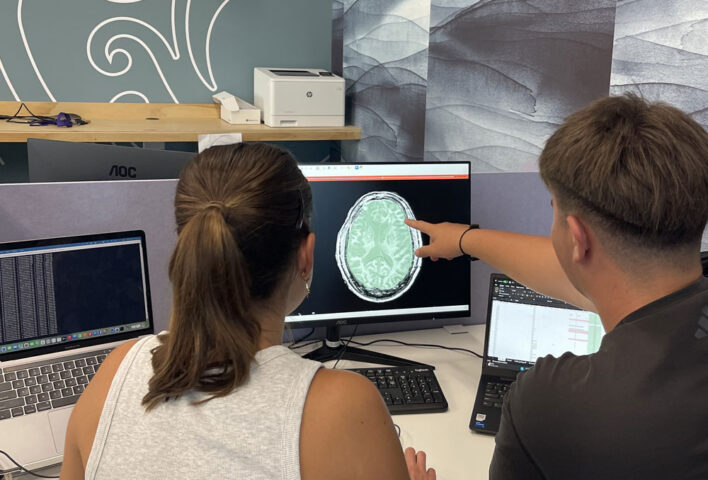
Support breakthrough research to advance our understanding of the brain, heart, and body.
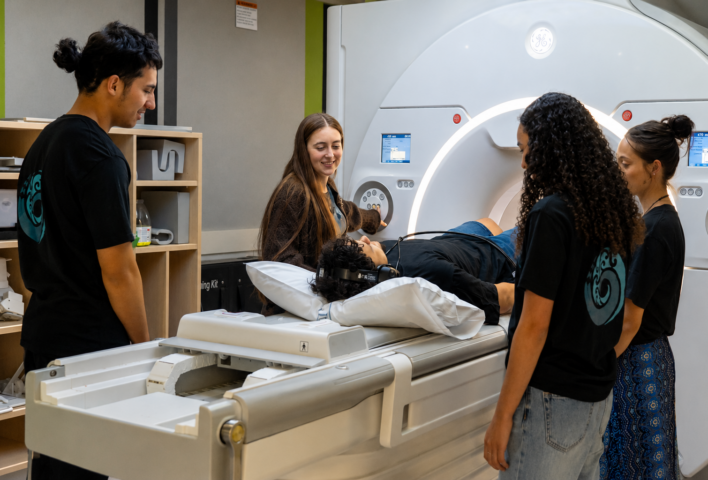
Inspire rangatahi and support opportunities that empower future generations to change lives.
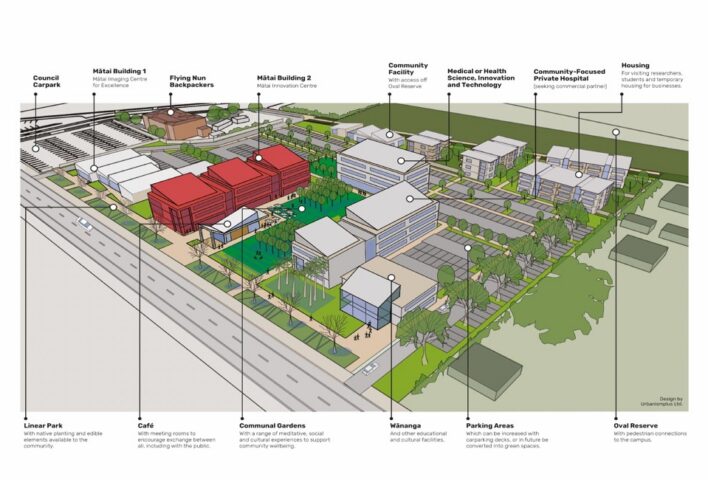
Support strategic investment funding into a New Zealand campus for world-class medical research.
If we can better detect and monitor MS, we can reduce the long-term impact of the disorder.

A bowel cancer screening project run through Gisborne-based Matai Medical Research Institute is a potential “lifesaver”, the East Coast-connected woman who will be driving it says.
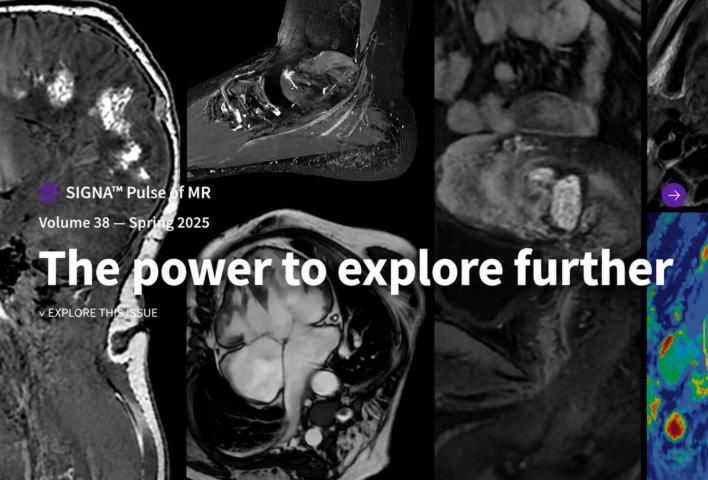
At Mātai, researchers are developing a new approach to increasing contrast which radically improves visualization of soft tissue contrast.
In this accessible presentation for a general audience, Dr Cornfeld explains how the Ultra High Contrast MRI method developed at the Mātai Medical Research Institute could support earlier and more accurate diagnosis of Multiple Sclerosis.
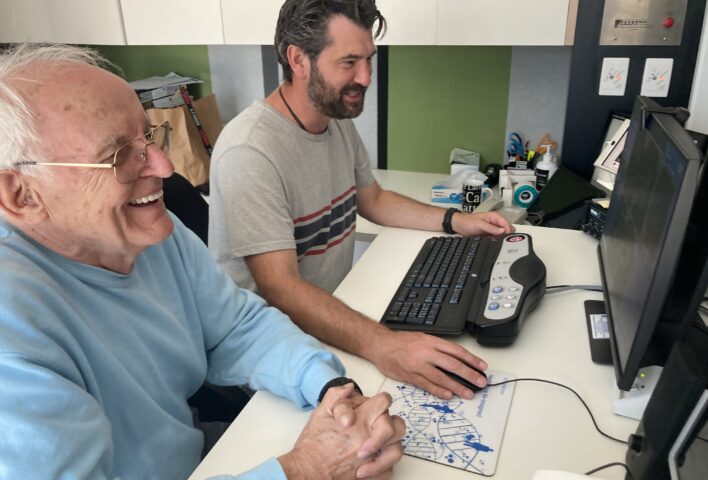
Tyla Kahukiwa-Larby’s education journey will come full circle this month when the former recipient of the Mātai–Holdsworth scholarship starts a new job as a trainee MRI medical imaging technologist at Gisborne’s Mātai Medical Research Institute.
Methamphetamine addiction costs New Zealand $1.5B per year. See how we're helping overcome the problem.
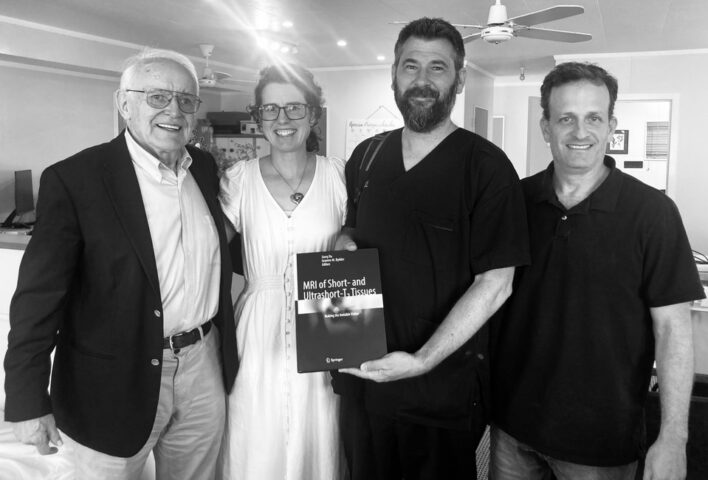
Gisborne’s Mātai Institute is leading a third wave in medical imaging technology, according to MRI pioneer Graeme Bydder.
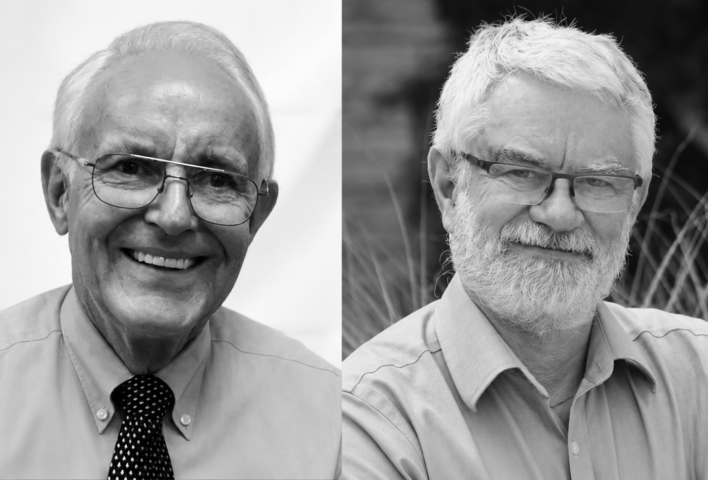
It would be no exaggeration to say that the majority of MRIs (Magnetic Resonance Imaging) performed today owe some debt of gratitude to Graeme Bydder.